What Can I Do in Edmonton's RL Zone?
November 15, 2024
Introduction
Edmonton’s new Zoning Bylaw 20001 came into effect in January 2024. This new bylaw has transformed the city’s approach to development, but with change often comes questions. If you’re still navigating what these updates mean for your property, you’re not alone!
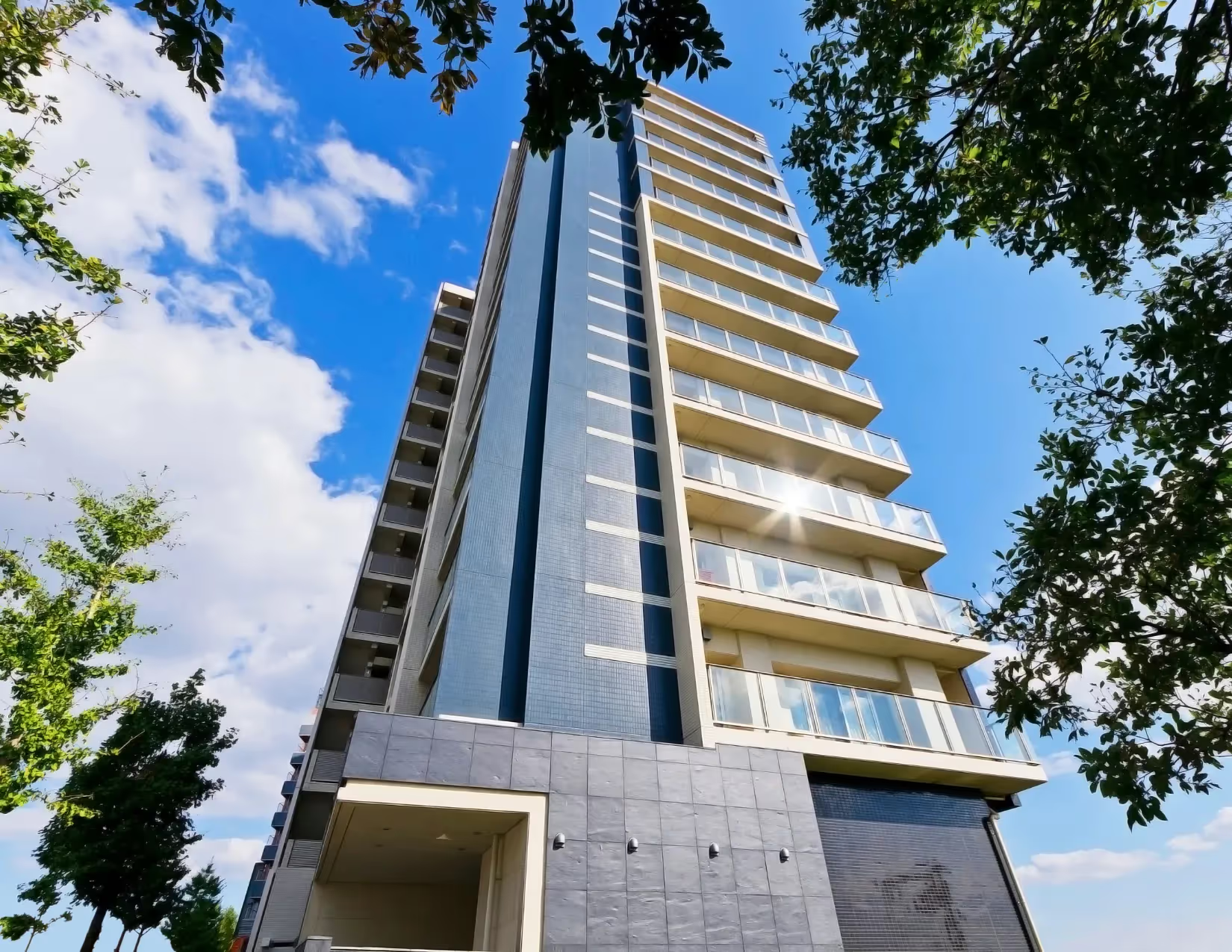
One significant change is the introduction of the RL (Large Scale Residential) zone, which has replaced the old RA9 (High Rise Apartment) zone. The RL zone is designed to accommodate multi-unit housing in high-rise buildings, offering developers new opportunities to build vibrant, residential or mixed-use projects. But what exactly can you build under the RL zone? Let’s break it down!
What Can I Do Under Edmonton’s RL Zoning?
The RL zone is designed for high-rise developments with a focus on multi-unit housing, allowing for everything from residential towers to mixed-use projects that blend commercial spaces with apartments. Here’s a closer look at what’s possible:
- Multi-unit housing: Typically high-rise apartment buildings.
- Mixed-use developments: Ground-floor commercial spaces with residential units above, ideal for vibrant, urban communities.
Height and Context Modifiers
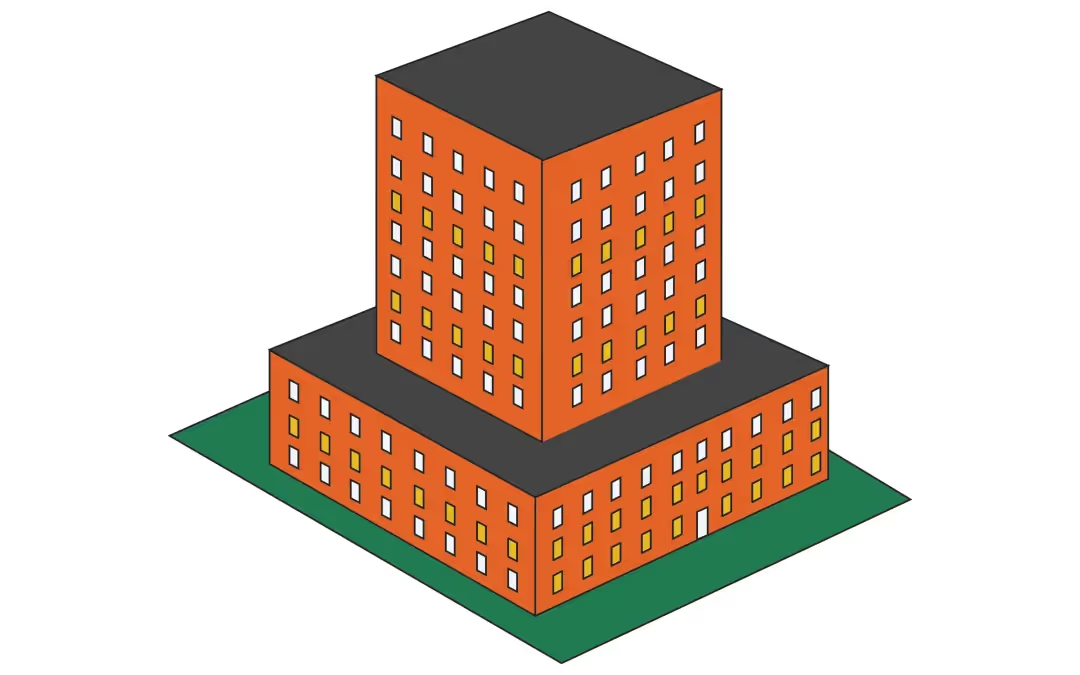
The RL zone introduces something called context modifiers to adjust building height and floor area ratio (FAR) based on neighbourhood context. Here’s what you need to know:
- h50 modifier: Maximum height of 50 metres.
- h65 modifier: Maximum height of 65 metres.
If your site was previously zoned RA9, it will automatically receive the h65 modifier. Keep in mind, though, that the City’s planners cannot grant height variances—what you see is what you get unless you go through an appeal process.
Floor Area Ratio (FAR)
The RL zone uses FAR to control the size of buildings. Here’s how it works:
- h50 sites: The maximum FAR is 4.5.
- h65 sites: The maximum FAR is 5.5.
For example, if your lot size is 10,000 m² and your maximum FAR is 5.5, the total buildable floor area would be 55,000 m². But remember, you may not be able to use all of this floor area due to height limits and setback requirements.
Setbacks: Finding the Right Balance
Setbacks control how close your building can be to property lines and ensure developments fit well within their surroundings. Let’s break down the details:
Setbacks from a Street:
- For fully residential buildings:
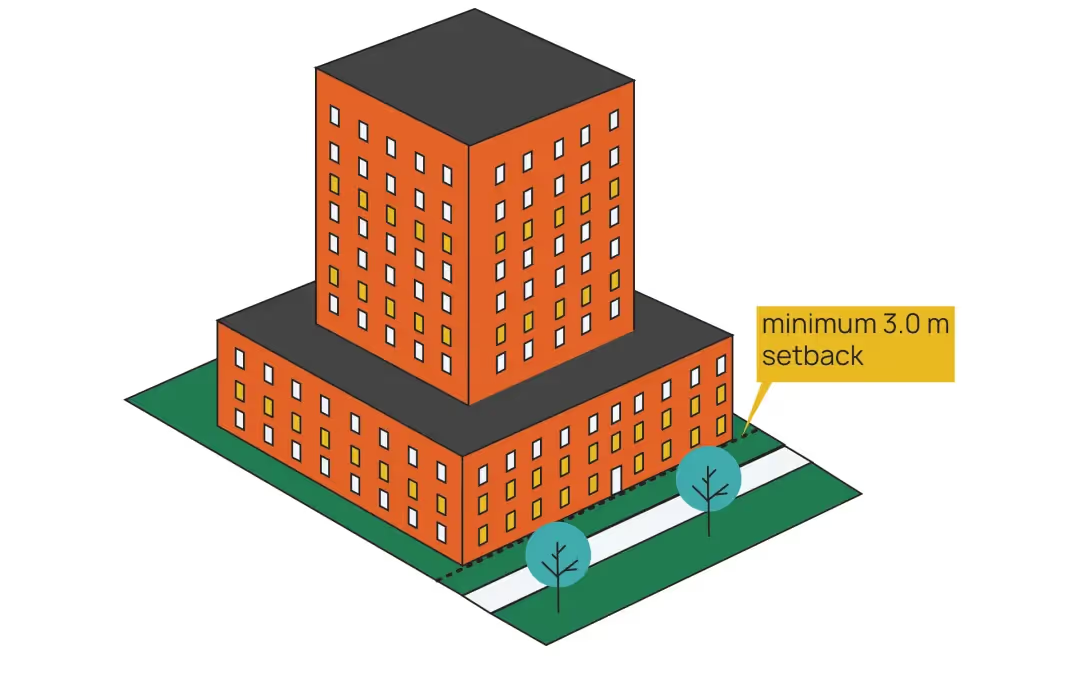
- 4.5 metres from the street, or 3.0 metres if there’s a treed boulevard.
- For mixed-use buildings with commercial uses on the ground floor:
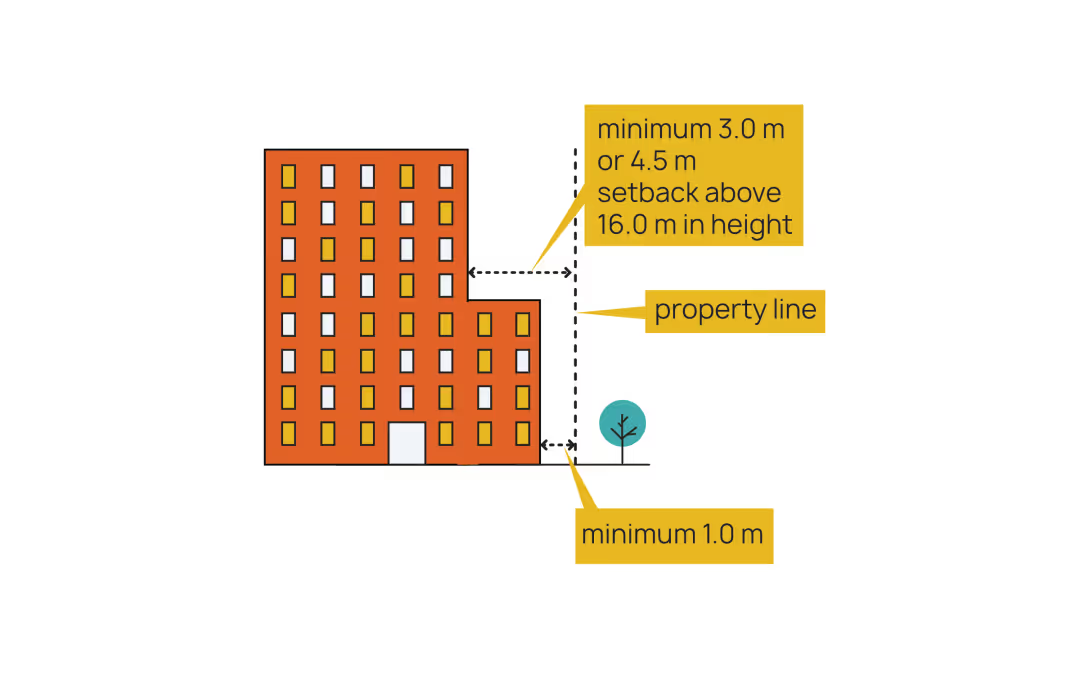
- 1.0 metre setback for portions under 16.0 metres in height.
- Above 16.0 metres, a 3.0 metre setback if there’s a treed boulevard, or 4.5 metres if there’s not.
Setbacks from an Alley:
- A consistent 3.0 metre setback applies in all cases.
Setbacks from Other Sites:
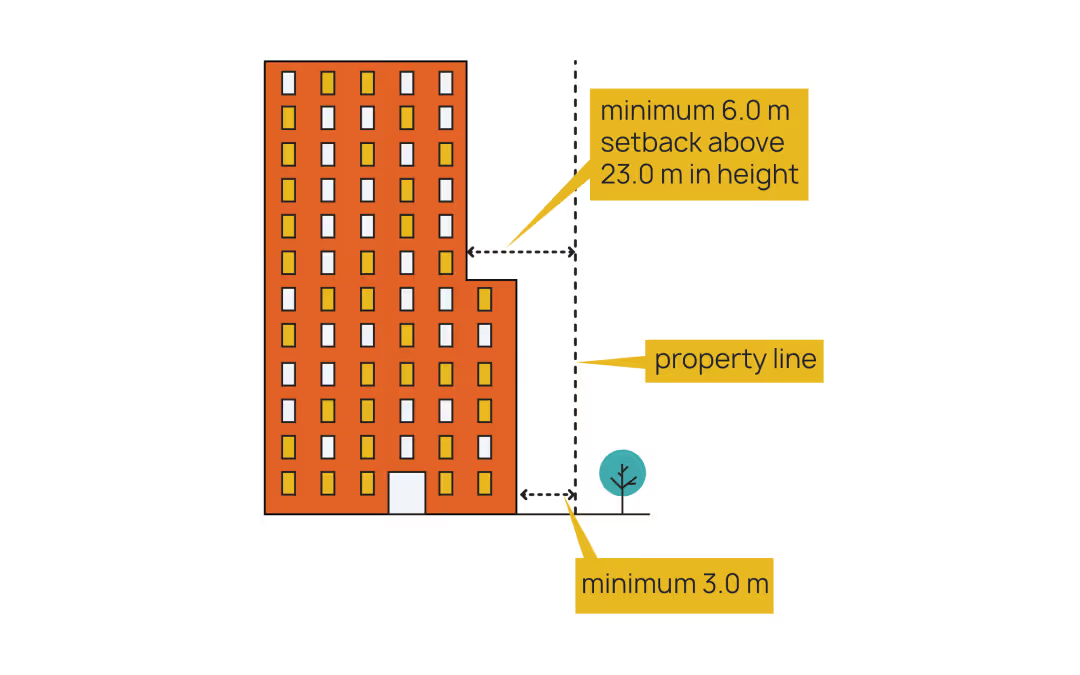
- 3.0 metre minimum setback for most cases.
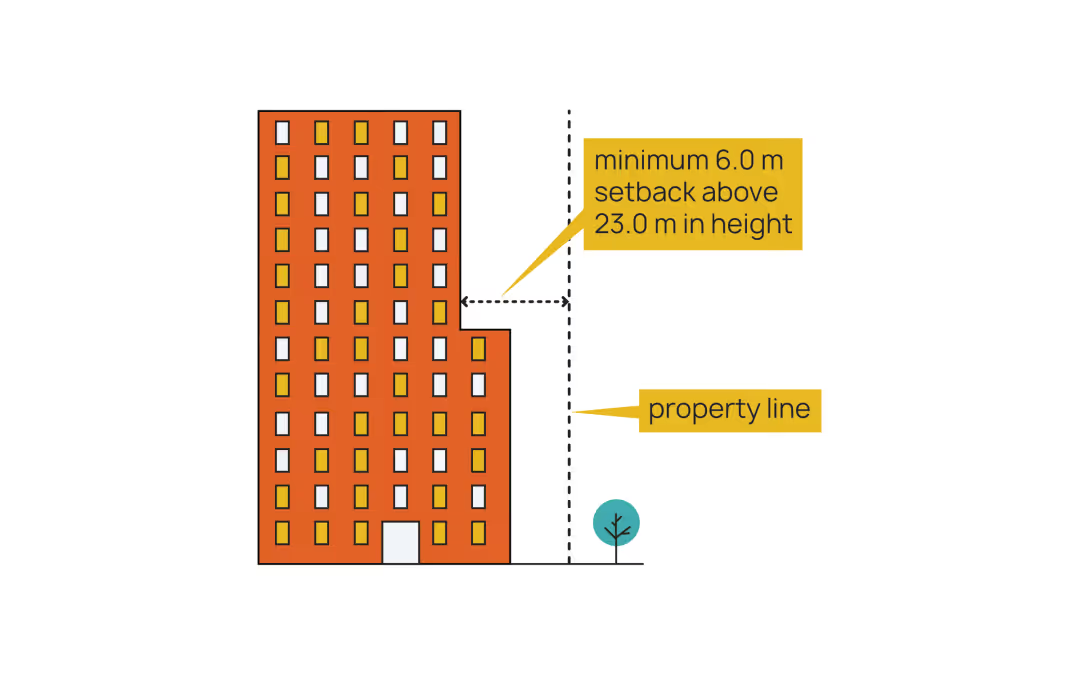
- Portions above 23.0 metres must be set back 6.0 metres from adjacent properties.
These setbacks help create a balance between density and liveability, ensuring buildings integrate well with their surroundings while maximizing usable space.
Tower Regulations
Thinking of developing a tower? Here’s what you need to know:
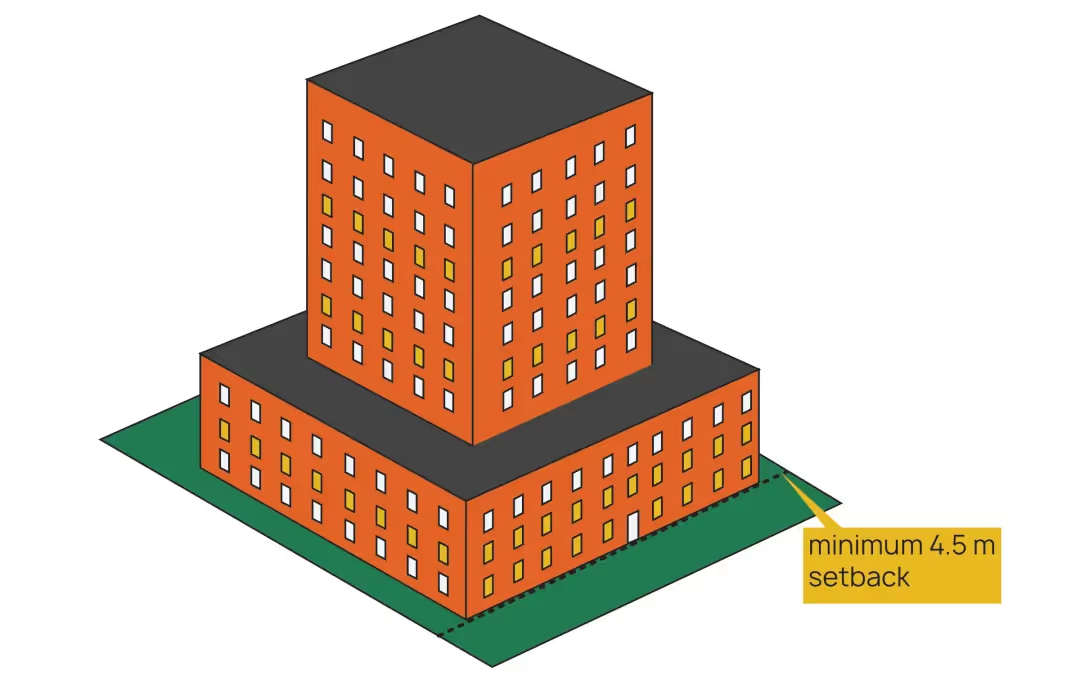
- Towers are defined as buildings over 28.0 metres in height.
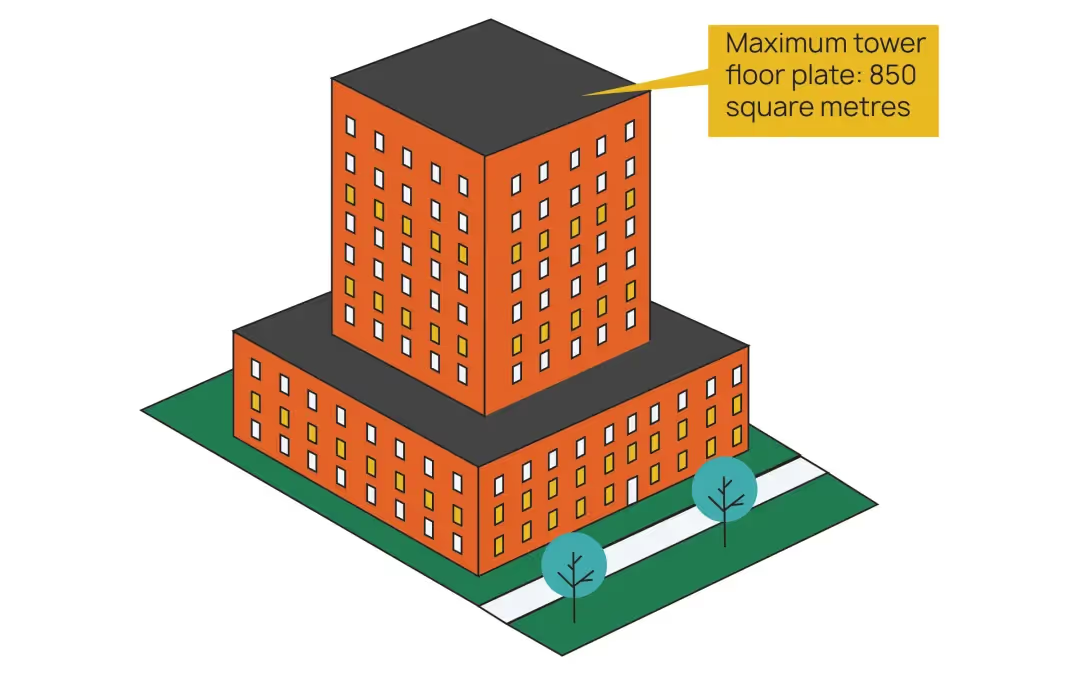
- The maximum floor plate for portions above 23.0 metres is 850 m².
- Towers must maintain a 25.0 metre separation between other towers, whether on the same or adjacent sites.
- Portions above 23.0 metres require a 6.0 metre setback from the street.
Driveways, Parking, and Commercial Uses
The RL zone also includes guidelines for vehicle access and ground-floor commercial spaces:
- Vehicle Access: If there’s an alley, access must be from the back. No front-facing driveways are allowed.
- Parking: Above-ground parkades facing streets must be screened and wrapped with active uses.
- Commercial Uses: Limited to 300 m² per establishment on the main or second floor, perfect for small shops, cafés, or offices.
Landscaping and Amenity Areas
To enhance liveability, the RL zone has requirements for landscaping and amenity spaces:
- Landscaping: One tree and two shrubs for every 30 m² of setback area.
- Amenity Areas: Developments with more than eight units must provide at least 7.5 square metres of amenity space per unit. This can include private balconies, rooftop gardens, or common indoor spaces like gyms or lounges.
Conclusion
The RL zone is all about creating high-density, multi-use developments that enhance Edmonton’s urban landscape. Whether you’re planning a residential tower or a mixed-use development, the RL zone offers plenty of flexibility.
However, navigating zoning regulations can be complex. That’s where we come in! Situate is here to help you understand what’s possible on your site, maximize your property’s potential, and guide you through the approval process.
Ready to explore the possibilities? Contact us today to schedule a free consultation and see how we can support your next project!
Let’s Talk About Your Project
Curious how this could apply to your situation? Let’s have a quick conversation and explore what’s possible.
If You’re Building More Housing, You Deserve a Smooth Approval
Our cities need more housing, and we don’t think anything should stand in the way. Book a call and let’s map the fastest path to yes.